
Losing a tooth can feel like a minor inconvenience, especially if it happens toward the back of the mouth where it isn’t immediately visible when you smile. Many people figure that if they can still chew reasonably well, there is no urgent need to seek replacement options. However, a missing tooth is much more than an aesthetic issue.
Your teeth work together as a dynamic, interconnected system, and the loss of even a single tooth sets off a chain reaction of oral health complications. Over time, leaving a gap untreated can lead to severe, permanent changes to your mouth, jaw, and overall well-being. Understanding the long-term consequences of tooth loss is crucial for making informed decisions about your dental health.
1. Progressive Jawbone Deterioration
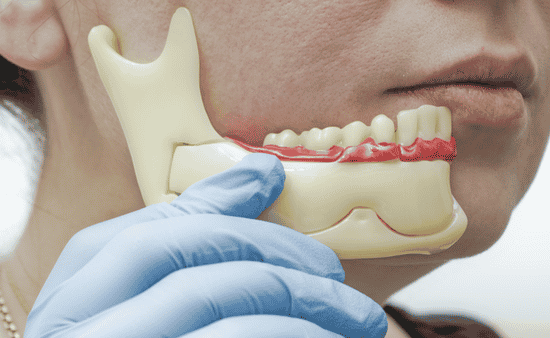
One of the most significant and hidden consequences of tooth loss is jawbone resorption. Your jawbone relies on the continuous stimulation provided by the roots of your teeth during everyday activities like biting and chewing. This pressure signals to the body that the bone tissue is needed, prompting it to constantly renew and maintain its density.
When a tooth is lost, that stimulation ceases entirely. Without it, the body begins to reabsorb the unused bone minerals, leading to progressive bone loss in that specific area. Within the first year alone, a significant amount of bone width and height can be lost, making future restorative procedures more complex if delayed.
2. Shifting Teeth and Bite Misalignment
Teeth are not fixed rigidly in place like stones; instead, they exist in a state of balance, held in position by their neighbors. When a tooth is removed, the physical boundaries that kept adjacent teeth in alignment vanish. Consequently, the surrounding teeth naturally begin to drift, tilt, or shift into the open space. This movement destabilizes the alignment of your entire bite.
Additionally, the opposing tooth in the opposite jaw may begin to erupt further out of its socket—a process known as supra-eruption—because it no longer has a surface to bite against. This widespread shifting creates hard-to-reach pockets where plaque accumulates, drastically increasing your risk of tooth decay and gum disease.
Recognizing the warning signs of gum disease, such as swollen or bleeding gums, persistent bad breath, and gum recession, can help you seek treatment early and prevent further oral health complications.
3. Temporomandibular Joint (TMJ) Disorders

As your bite shifts and becomes misaligned due to missing teeth, the mechanics of how your upper and lower jaws meet are altered. This imbalance forces your jaw muscles and joints to compensate during chewing and speaking.
Over time, this uneven strain can stress the temporomandibular joints (TMJ), which connect your jaw to your skull. This often manifests as chronic jaw pain, clicking or popping sounds when opening your mouth, persistent headaches, and neck discomfort. What started as a single missing tooth can evolve into a painful, complex joint disorder that disrupts your daily comfort.
4. Premature Facial Aging
Your teeth and jawbone provide the underlying structural support for your face, keeping your lips and cheeks properly filled out. When multiple teeth are lost and progressive bone deterioration takes hold, that support system collapses.
As the jawbone shrinks, the distance between the nose and the chin decreases, causing the lower face to take on a collapsed or sunken appearance. This collapse can result in sagging skin, hollow cheeks, and more pronounced wrinkles around the mouth, making an individual look significantly older than they actually are.
5. Nutritional Deficiencies and Digestive Issues

Proper nutrition relies heavily on your ability to chew thoroughly. Missing teeth make it painful or difficult to break down fibrous foods, raw vegetables, and tough proteins. To avoid discomfort, many individuals modify their diet, shifting away from nutrient-dense foods toward softer, processed options that are easier to consume.
This dietary restriction can lead to nutritional deficiencies, impacting your immune system and overall energy levels. Furthermore, swallowing inadequately chewed food places an extra burden on the digestive system, potentially causing acid reflux, bloating, and other gastrointestinal distress.
Modern Solutions: Restoring Health and Function
Fortunately, modern restorative dentistry provides excellent options to halt and reverse these long-term consequences. Traditional options like bridges and dentures replace the visible crowns of teeth but do nothing to prevent jawbone loss.
To truly preserve your oral structure, you need a solution that replaces the root as well. Investing in a permanent restorative solution, such as a dental implant crown in Wasilla, provides the necessary stimulation to keep your jawbone strong, prevent teeth from shifting, and fully restore your natural chewing ability and smile aesthetics.
By addressing tooth loss early, you protect your long-term health, facial structure, and self-confidence for decades to come.