
Most homeowners ignore their exterior drainage until serious issues like a flooded basement or cracked foundation occur, leading to costly repairs. However, home’s drainage systems usually show warning signs before major damage happens. Recognizing these signs and acting on them can save you thousands of dollars and protect your home’s value.
Understanding the Importance of Exterior Drainage Systems
Your home’s exterior drainage system is responsible for directing water away from your foundation, landscaping, and structures. It includes gutters, downspouts, grading, French drains, and surface channels—all working together to manage rainfall and runoff.
When this system functions properly, water flows away from your home efficiently. When it doesn’t, water accumulates in the worst possible places: against your foundation, under your slab, and inside your walls. Over time, even minor drainage inefficiencies can lead to serious structural damage.
Common Signs of Drainage Failure
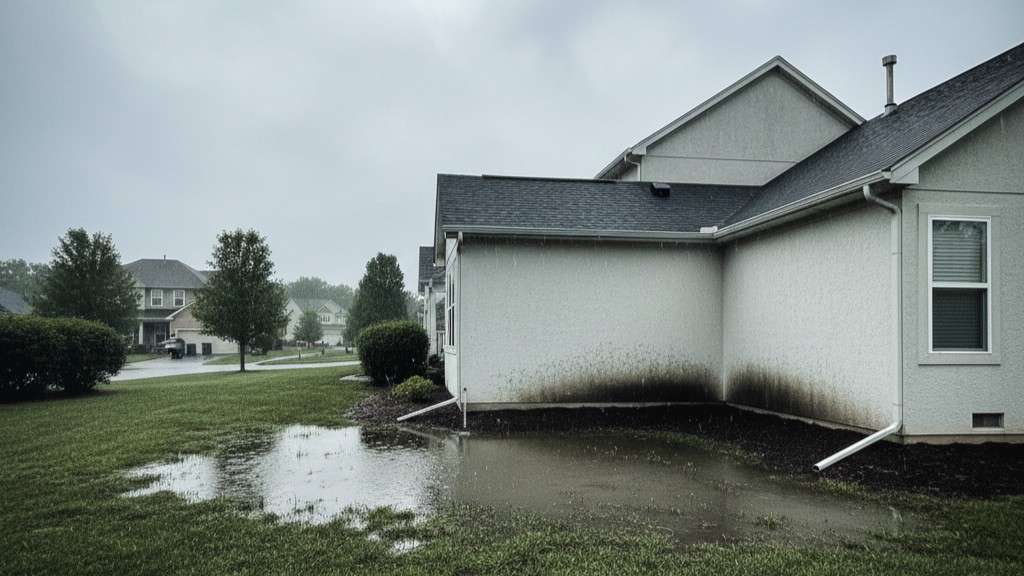
Pooling Water After Rain
Standing water in your yard after a storm is one of the most obvious signs of a drainage problem. If puddles linger for more than 24 to 48 hours, your soil isn’t absorbing or redirecting water effectively. This could be due to compacted soil, poor grading, or a blocked drainage channel.
Pay special attention to areas near your foundation. Water pooling close to your home creates hydrostatic pressure, which pushes against your foundation walls and can cause them to bow, crack, or leak over time.
Foundation Cracks
Cracks in your foundation—especially horizontal or stair-step patterns in brick or block are a red flag that water pressure is building up around your home. Vertical cracks can also appear as soil expands and contracts with moisture changes.
Not every crack signals an emergency, but none of them should be ignored. A crack that appears after a particularly wet season is especially worth investigating, as it may point directly to a drainage issue that needs resolving.
Identifying Subtle Warnings
Mold and Mildew Growth
Mold doesn’t always start indoors. If you’re noticing mold or mildew on your exterior walls, near your basement windows, or along your foundation, excess moisture is likely the cause. Poor drainage allows water to saturate the soil and seep into porous materials, creating the damp conditions in which mold thrives.
Inside, musty odors in your basement or crawl space are often a downstream effect of the same problem. If you smell it, there’s a good chance water is finding its way in through your foundation.
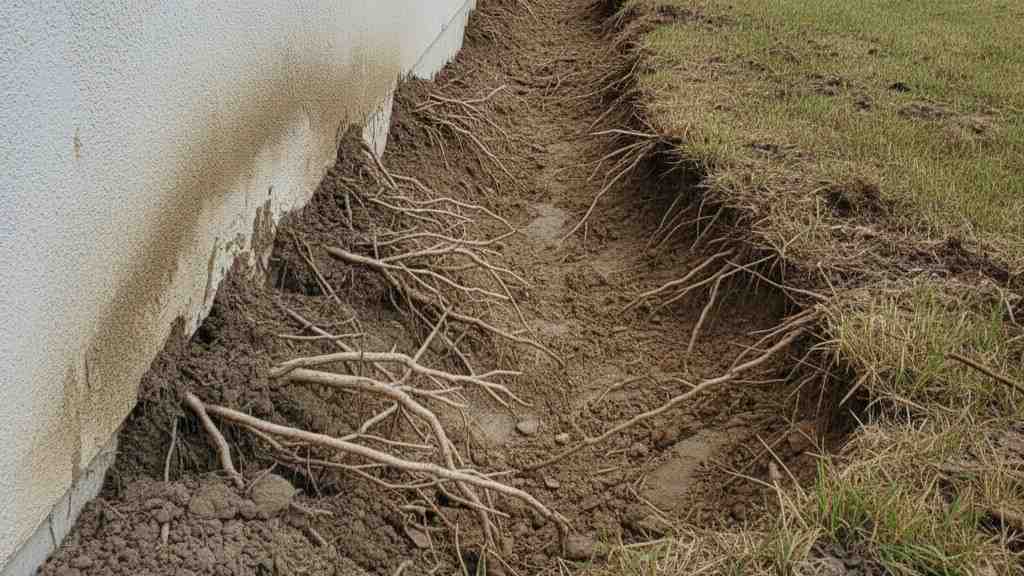
Soil Erosion Around the Foundation
Healthy landscaping around your home should slope gently away from the foundation—typically a drop of about six inches over the first ten feet. If you notice soil washing away, bare patches forming near your home, or mulch migrating out of garden beds after rain, your grading may be failing.
Erosion also exposes roots and creates pathways for water to flow toward your home rather than away from it.
Step-by-Step Guide to Inspecting Your Home’s Drainage
A basic drainage inspection doesn’t require special tools. Here’s how to do it yourself:
- Walk the perimeter after rain. Look for pooling water, saturated soil, and any areas where runoff seems to be moving toward your home.
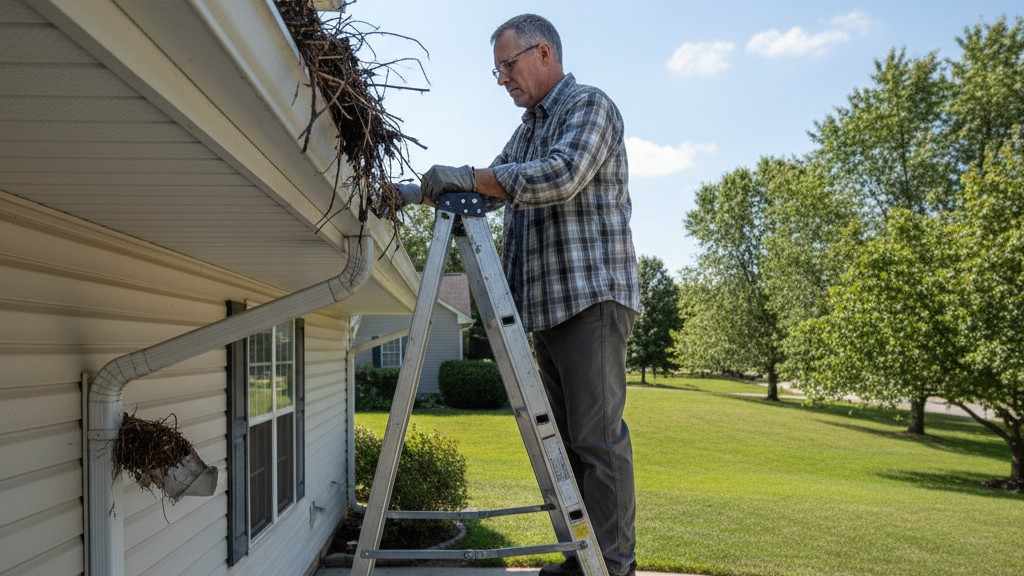
- Check your gutters and downspouts. Are they clear of debris? Do downspouts direct water at least three to four feet away from the foundation? Gutter cleaning services like those in Ogden can handle this quickly if you’d rather not climb a ladder.
- Inspect the grading. Stand at the edge of your yard and look back toward your home. The ground should slope away, not toward, your foundation.
- Look for cracks and staining. Examine your foundation walls for cracks, white mineral deposits (efflorescence), or watermarks—all signs of past or ongoing moisture intrusion.
- Check window wells and basement entries. These low-lying areas are common entry points for water if drainage isn’t managed properly.
When to Call a Professional vs. DIY Maintenance Tips
Some drainage maintenance is straightforward enough for most homeowners. Clearing gutters, extending downspouts, and refreshing the grading around your foundation are all manageable weekend tasks.
However, certain situations call for professional help:
- Persistent pooling water that returns even after you’ve cleared gutters and adjusted downspouts
- Foundation cracks that are widening, horizontal, or accompanied by bowing walls
- Basement flooding or signs of water intrusion inside the home
- French drain installation or repair, which requires excavation and proper slope calculation
A professional drainage contractor can assess the full scope of the problem and recommend solutions—whether that’s regrading, installing a French drain, or improving your downspout discharge points.
Seasonal Maintenance Checklist to Prevent Costly Damage
Home’s drainage maintenance is most effective when it’s consistent. Use this checklist throughout the year:
Spring
- Clear gutters of winter debris and inspect for damage
- Check that downspout extensions are in place and intact
- Look for frost heave or erosion around the foundation
- Test drainage channels and catch basins for blockages
Summer
- Inspect grading after heavy rain events
- Trim back vegetation that may be directing water toward the home
- Monitor for mold or efflorescence on foundation walls
Fall
- Clean gutters after leaves drop
- Ensure all drainage channels are clear before winter
- Check window wells and basement entries for accumulated debris
Winter
- Watch for ice dams on the roof, which can force water into the structure
- After a thaw, check for pooling near the foundation
- Interior condensation can cause mold buildup on if left unchecked similar to how moisture contributes to toenail fungus.
Staying on top of these seasonal tasks is far less expensive than dealing with the damage that builds up when they’re skipped.
Conclusion
Exterior home’s drainage issues worsen over time, leading to costly structural repairs if ignored. Homeowners can avoid expensive damage by addressing early warning signs and investing in proactive maintenance, such as cleaning gutters or scheduling inspections. Proper attention to drainage systems prevents bigger problems down the line.