
I remember the first time I seriously considered buying an RV. I was sitting in my living room, scrolling through endless pictures of sleek, shiny motorhomes on my phone—dreaming of hitting the open road with no specific destination in mind. The thought of being free, spontaneous, and living life on my terms was intoxicating. But then reality hit. How much does an RV cost? was the next big question that sent me into a whirlwind of online searches, price comparisons, and, honestly, a bit of sticker shock.
Here’s the deal: the cost of an RV isn’t as straightforward as picking a model and paying for it. There are numerous factors to consider, including the type of RV, its size, features, and whether it’s brand-new or pre-owned.
Don’t worry though—I’ve got the inside scoop to help you understand exactly what you’re getting yourself into when you start looking at RV prices. So let’s break it down and make sure you can find the perfect fit for your road-trip dreams!
What Affects the Cost of an RV?
Several factors can influence the price of an RV, including:
-
Type of RV: Larger RVs like Class A motorhomes tend to cost more than smaller travel trailers.
-
Features and Amenities: Additional features like solar panels, slide-outs, or luxury finishes can drive up the price.
-
New vs Used: Buying a new RV offers the latest technology but comes at a higher price. Used RVs can save you money upfront but might have higher maintenance costs.
-
Seasonality: Shopping for an RV during the off-season can help you find better deals.
What Type of RV Do You Need? The Price Varies By Type!
Choosing the right RV can feel like a big task, especially since the price tag can vary widely depending on the type you’re looking at.
Each type of RV is designed for different needs, and the cost varies accordingly. Let’s break it down to help you decide which one fits your style and budget.
Towable RVs – The Budget-Friendly Option

Towable RVs are a great option if you already have a vehicle capable of towing, like a truck or SUV. These RVs are generally more affordable and come in two main types: travel trailers and fifth-wheel trailers.
The price range for towable RVs can vary greatly, but on average, they range from $14,000 for basic models to $150,000 for larger, more feature-packed units.
Don’t let the “cheaper” label fool you—many towable RVs offer incredible features such as full kitchens, bathrooms, and even entertainment systems.
If you’re not looking for a full-on mobile mansion but still want comfort and style, towable RVs are a great choice.
The key is finding the right balance between size, amenities, and budget. Towable RVs are perfect for those who are looking for a more affordable and flexible option.
Motorhomes – The Ultimate Adventure Machines

Motorhomes are a whole different ball game. These bad boys are self-propelled, which means you don’t need a separate vehicle to tow them. But with that convenience comes a much higher price tag. Let’s take a look at the three main types of motorhomes:
Class A Motorhomes: These are the most spacious and luxurious RVs, starting at around $80,000 and ranging up to $750,000 or more for the high-end models. Class A motorhomes are designed to be your home on wheels, offering ample space, top-notch amenities, and even the option for custom interiors.
If you’re looking for comfort, space, and luxury, this is the way to go.
Class C Motorhomes: These motorhomes are a bit smaller than Class A but still provide a great amount of space and features. Prices for Class C motorhomes range from $75,000 to $125,000.
They’re perfect for families or groups who want a comfortable living space but don’t need the massive size of Class A.
If you want something that’s still spacious but more affordable, Class C might be your sweet spot.
Class B Motorhomes(Campervans): These are the most compact motorhomes and are great for couples or small families who don’t need a ton of space. Starting at $40,000, Class B motorhomes can go up to $250,000 for fully loaded models.
These RVs are perfect if you’re looking for something that’s easy to drive and park, while still offering everything you need for a comfortable trip.
Think of them as your adventure-ready, compact escape vehicle.
Travel Trailers
Travel trailers are towed by vehicles and generally cost between $20,000 and $50,000. They come in various sizes and offer good value for money, especially for shorter trips or weekend getaways.
Fifth Wheel RVs
Fifth-wheel RVs are more spacious and range from $30,000 to $100,000. These are ideal for long-term or full-time living and require a pickup truck to tow.
To Sum It Up:
The type of RV you choose depends on your budget and travel style. Towable RVs are budget-friendly and flexible, while motorhomes offer the convenience of being self-contained but at a higher price. Each type has its own set of features and benefits—whether it’s the spacious luxury of Class A or the compact simplicity of Class B.
What Features Will You Need? The Bigger the RV, the Bigger the Price
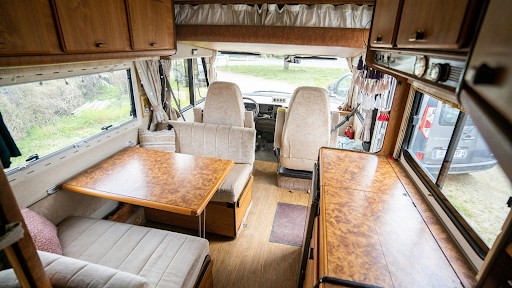
Next, let’s talk features. One thing I’ve learned in my RV-hunting journey is that the more features you add, the higher the price.
I mean, who doesn’t want a fully equipped kitchen with a dishwasher, a spacious bathroom, and maybe even a cozy fireplace to curl up in front of after a long day of driving?
Larger RVs typically come with better features—extra slide-outs for more space, solar panels, smart home integrations, and upscale appliances.
These are all awesome if you’re looking for maximum comfort on your trips. But, let’s be real, these add-ons come with a price.
The good news? You can always find RVs that fit your needs without breaking the bank if you’re willing to make some compromises on size or amenities.
New or Used? The Price Difference Can Be Huge
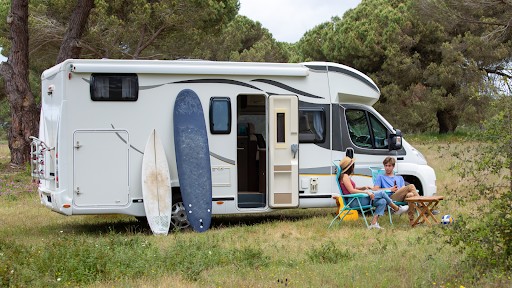
Here’s a fun fact: You can save a ton of cash by purchasing a used RV. But don’t get too excited just yet. While the price might be lower, you need to consider the wear and tear of an older RV.
Factors such as mileage, maintenance history, and the overall condition of the RV are significant considerations.
New RVs – Fresh Off the Lot
New RVs are going to be your best bet if you want the latest features, warranties, and peace of mind. But, as you might expect, the price will be at the higher end of the spectrum.
Used RVs – The Budget-Friendly Option
Used RVs are a whole different ball game. While you can score some serious deals, you’ll want to keep a close eye on things like the engine’s condition, how well the previous owners maintained it, and the overall wear on the RV. The price for used RVs can vary greatly, depending on these factors.
Pro tip: If you’re buying used, definitely take it for a test drive and consider having a mechanic inspect it before finalizing the deal.
What Else Will Impact Your RV Cost? It’s Not Just the Price Tag
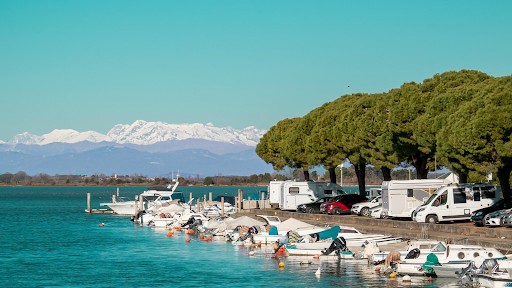
Buying an RV isn’t just about paying for the vehicle itself. There are a ton of additional costs to consider. Here’s a quick rundown of what you need to plan for:
- Registration and Insurance: These costs vary based on your RV’s value and where you live.
- Maintenance and Repairs: Whether you’re buying new or used, maintenance is a part of full time RV life. Older RVs, in particular, can require more frequent repairs.
- Fuel and Propane: Fuel costs for motorhomes are high, and don’t forget propane for cooking and heating.
- Camping Fees: Staying at RV parks and campsites adds up quickly. These fees depend on the location and amenities (like water, electricity, and sewage hookups).
Long-Term Costs of Owning an RV
The cost of owning an RV goes beyond the purchase price. Here are some ongoing expenses to consider:
Insurance
RV insurance can range from $500 to $1,500 annually, depending on the type of RV and the coverage you select.
Fuel and Maintenance
Motorhomes, especially larger Class A models, can be expensive to fuel, with fuel costs ranging from $1,000 to $4,000 per year. Regular maintenance, including oil changes and plumbing repairs, can cost $1,000 to $2,000 annually.
Storage and Campsite Fees
If you don’t have space to park your RV at home, you’ll need to rent storage. Costs range from $75 to $400 per month. Campsite fees vary from $20 to $60 per night, with discounts available for long stays.
Renting vs Buying an RV
Before committing to purchasing an RV, consider renting one to test out the RV lifestyle. Renting typically costs between $50 and $350 per day, while buying can cost anywhere from $20,000 to $600,000. If you plan to RV often, buying may be a more cost-effective option in the long run.
FAQ: Everything You Wanted to Know About RV Pricing
1. How much do RVs cost?
RVs can range in price from $20,000 for a basic travel trailer to over $600,000 for luxury Class A motorhomes.
2. How much does a camper cost?
The cost of a camper, or travel trailer, typically ranges from $10,000 to $40,000, depending on its size and features.
3. How much does it cost to store an RV?
Storing an RV can cost between $75 and $400 per month, depending on whether it’s outdoor or indoor storage.
4. How much does an RV inspection cost?
An RV inspection can cost anywhere from $150 to $500, depending on the thoroughness of the inspection.
5. How much does it cost to fill up an RV?
Filling up an RV can cost anywhere from $100 to $400, depending on the RV’s size and fuel tank capacity.
Final Scoop Before You Jump In: Let the Adventure Begin!
So, how much does an RV cost? It depends on a ton of factors—what type of RV you want, its size and features, whether it’s new or used, and those pesky extra costs like insurance and maintenance. But no matter your budget, there’s an RV out there that’s perfect for your adventures.
My tip? Do your research, and don’t be afraid to negotiate. Whether you’re living the van life full-time or just looking to make the occasional weekend getaway, owning an RV can be the start of some seriously epic road trips. Just make sure you’re ready for the costs that come along with it!
Safe travels, and may your adventures be filled with beautiful views and zero breakdowns!