
A broken washing machine can disrupt your entire weekly routine. Piles of dirty laundry accumulate quickly, and the convenience of modern living suddenly feels very distant. Most homeowners take this essential appliance for granted until it stops working. While some problems require a professional technician, you can identify and often prevent many common issues yourself. Understanding what goes wrong helps you maintain your machine and extend its lifespan.
Here are the most frequent washing machine problems and practical ways to stop them from happening.
The Machine Will Not Start
Few things are more frustrating than loading your clothes, adding detergent, and pressing the start button only to get no response. When a washer fails to turn on, the issue is often electrical. It might be as simple as a loose plug or a tripped circuit breaker.
If the power source is working, the problem usually lies with the lid switch or door lock. This safety feature prevents the machine from running if the door is open. Over time, the plastic tab on the lid can break, or the sensor can fail. If the machine thinks the door is open, it will simply sit there and do nothing.
Water Will Not Drain Away
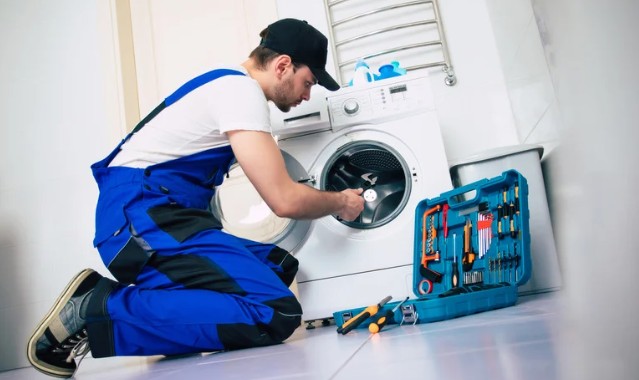
Drainage issues are messy and common. You might open the door to find your clothes floating in a pool of gray water. This problem is almost always caused by a blockage. Small items like coins, socks, or lint can obstruct the drain pump or the hose leading out of the back of the machine.
Sometimes the issue is not inside the machine at all. If the drain hose is kinked or twisted behind the unit, water cannot flow out freely. Straightening the hose often solves the problem immediately.
Excessive Noise and Vibration
A washing machine should hum, not bang or walk across the laundry room floor. Loud thumping sounds usually happen during the spin cycle. The most frequent cause is an unbalanced load. Washing a single heavy blanket or a few towels can throw the drum off center.
If the load is balanced and the noise persists, check the leveling feet. All four legs must touch the floor firmly. If the machine rocks when you push on it, you need to adjust the feet. Internal components can also cause noise. Worn drum bearings or a loose drive belt will create loud grinding or squealing sounds that get worse over time.
The Drum Does Not Spin
The spin cycle is crucial for extracting water from your clothes. If the drum fills and drains but refuses to spin, your clothes come out soaking wet. In top-loading models, a broken drive belt is a common culprit. The belt connects the motor to the transmission, and if it snaps or becomes loose, the drum will not move.
Motor issues can also prevent spinning. The motor is the muscle of the appliance. While a refrigerator relies on fractional horsepower compressors to operate efficiently, your washing machine depends on a robust drive motor to manage heavy, wet loads. If this motor overheats or fails, the machine cannot perform high-speed spins.
Water Leaking on the Floor
Puddles around your washer are a serious concern that can lead to water damage in your home. Leaks often originate from the hoses connecting the machine to the water supply. These rubber hoses can crack or become brittle with age.
Another common leak point is the door seal on front-loading machines. Dirt and detergent buildup can prevent the door from sealing tightly. If the gasket is torn or punctured by a sharp object like a zipper, water will drip down the front of the machine during the wash cycle.
How to Prevent These Issues
Prevention is always cheaper than repair. You can stop most of these problems by following a few simple maintenance habits.
Do Not Overload the Machine
Stuffing the drum to the top might save time, but it strains the motor and suspension. Clothes need room to move to get clean. Follow the manufacturer’s guidelines for load sizes to protect the internal components.
Check Pockets Before Washing
Loose change, keys, and screws are the enemies of your drain pump. These small items can slip past the seal and cause significant internal damage. Make it a rule to empty all pockets before throwing clothes in the hamper.
Use the Right Amount of Detergent
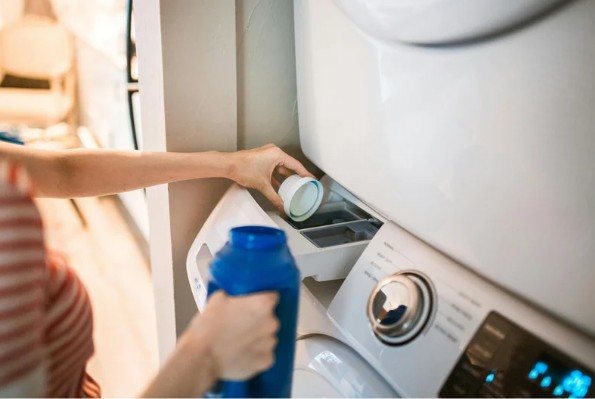
More soap does not mean cleaner clothes. Excess detergent creates too much foam, which can confuse the sensors in modern machines and lead to drainage errors. It also leaves a residue that builds up in hoses and seals.
Clean the Filter Regularly
Many machines have a drain filter located near the bottom front. Cleaning this out every few months removes lint and debris that could otherwise cause a clog. It is a five-minute task that can save you a service call.
Leave the Door Open
After a wash, leave the door or lid slightly ajar. This allows air to circulate and dries out the drum. It prevents mold growth and keeps the door seal in good condition.
By paying attention to how your machine sounds and operates, you can catch small issues before they become major breakdowns. Regular care ensures your washing machine remains a reliable part of your household for years to come.