
Excavation and construction sites are dynamic environments where progress happens quickly, but they are also filled with inherent risks. Heavy machinery, shifting soil, and complex logistics create a workspace where safety must be the absolute priority.
For project managers and site supervisors, establishing rigorous safety protocols is not just about compliance. It is about protecting the lives of every worker on the ground. A strong safety culture ensures that projects finish on time, within budget, and without incident.
Understanding the Risks of Excavation
Excavation work involves removing earth to create foundations, trenches, or other structures. While it is a necessary part of construction, it presents specific dangers that differ from general building tasks. Cave-ins are the most serious risk in trenching work. When soil loses its stability, it can collapse in seconds, trapping workers under thousands of pounds of dirt.
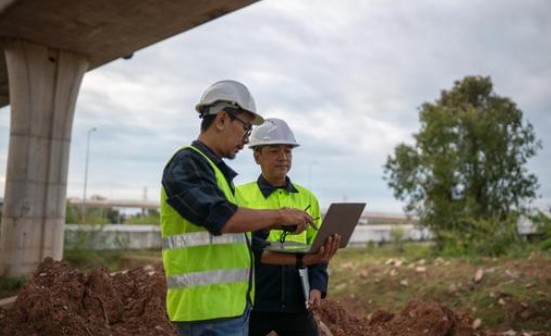
Beyond collapses, excavation sites pose risks involving falls, falling loads, and mobile equipment. Workers often operate in confined spaces or near heavy vehicles with limited visibility. Identifying these hazards before work begins is the first step in prevention.
Site Preparation and Hazard Assessment
Before a single shovel hits the ground, a thorough site assessment is mandatory. This involves surveying the land to understand soil composition, checking for underground utilities, and planning for surface water management. Striking a gas line or an electrical cable can lead to catastrophic results. Therefore, contacting utility companies to mark lines is a non-negotiable step.
Soil analysis determines the protective systems needed. Different soil types, such as clay versus sand, behave differently under stress. Competent persons must evaluate the soil daily and after any event that could change conditions, such as a rainstorm. This proactive approach allows teams to adjust their safety measures to the current reality of the site.
Implementing Protective Systems
Once hazards are identified, physical protective systems must be put in place. These systems are the primary defense against cave-ins and structural failures.
Sloping and Benching
Sloping involves cutting back the trench wall at an angle inclined away from the excavation. The angle depends on the soil type. Benching is a similar method where the sides are excavated to form one or a series of horizontal levels or steps. Both methods reduce the weight of the soil on the trench walls, significantly lowering the risk of collapse.
Shoring and Shielding
Shoring uses support structures like hydraulic cylinders or timber to brace the trench walls. It actively holds the earth in place. Shielding, often done with trench boxes, does not prevent a collapse but protects the workers inside if one occurs. These boxes are designed to withstand immense pressure and provide a safe haven for laborers working at depth.
Safe Operation of Heavy Machinery
Construction sites are busy with excavators, bulldozers, and dump trucks. The interaction between these machines and foot traffic is a common source of accidents.
Establishing Communication Protocols
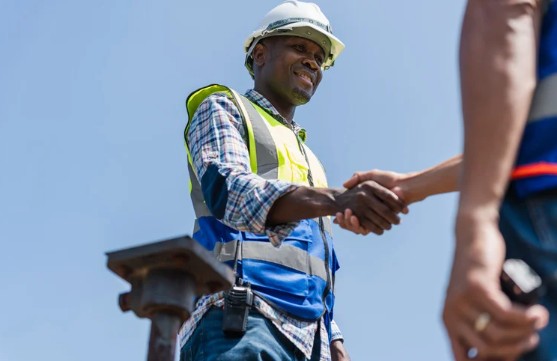
Clear communication between operators and ground personnel is vital. Hand signals should be standardized and understood by everyone on site. Radios offer another layer of safety, allowing for instant warnings if a worker enters a blind spot. Designated spotters play a crucial role here, acting as the eyes for operators who cannot see every angle of their surroundings.
managing Site Traffic
Defining clear paths for vehicles and pedestrians separates heavy iron from vulnerable workers. High-visibility clothing is standard PPE, but physical barriers and signage reinforce these separation zones. Additionally, machinery must be inspected daily. Checking brakes, hydraulics, and alarms ensures that the equipment responds correctly when an operator needs to stop or maneuver quickly.
Environmental Compliance and Site Stability
Safety extends beyond immediate physical harm to include environmental stability. Uncontrolled runoff can erode trench walls and destabilize the entire work area. This is where storm water pollution prevention plans become critical. Managing water flow prevents the soil saturation that leads to collapses.
Construction leaders often rely on specialists for this aspect, perhaps consulting experts who provide SWPPP services in Utah or similar regions where terrain and weather demand precise erosion control. Keeping the site dry and stable is a fundamental part of worker safety.
Training and Emergency Response
Even with the best systems in place, the human element remains the most variable factor. Continuous training ensures that safety is a habit rather than a checklist item.
Regular Safety Meetings
Daily “toolbox talks” keep safety at the forefront of everyone’s mind. These brief meetings should cover specific hazards relevant to the day’s tasks. It is an opportunity to remind workers about hydration, equipment checks, and emergency procedures.
Emergency Preparedness
Every site needs a clear emergency response plan. If an accident occurs, workers must know exactly what to do. This includes knowing where first aid kits are located, how to shut down equipment instantly, and who to call. For trench work, having a rescue plan is specific and critical, as untrained rescue attempts often lead to further injuries.
Conclusion
Building a safe construction site requires diligence, planning, and a commitment to best practices. By understanding the unique risks of excavation, implementing robust protective systems, and fostering a culture of communication, teams can navigate complex projects safely.
Regular training and attention to environmental stability further reinforce this safety net. Ultimately, the goal is for every worker to return home safely at the end of the shift. Prioritizing these standards is the mark of a professional and responsible construction team.