
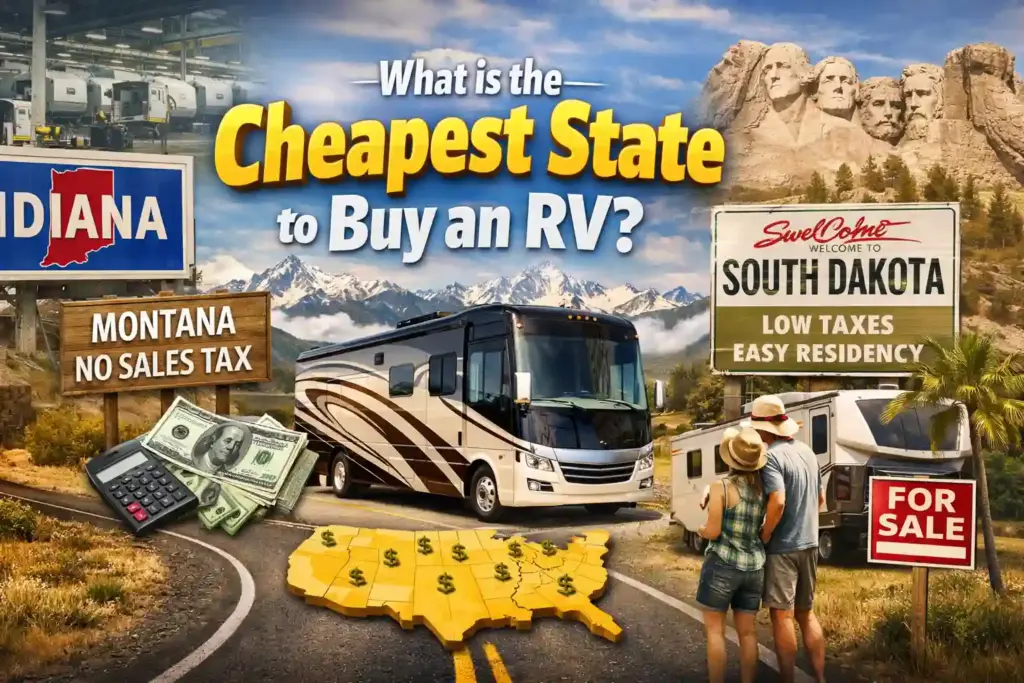
Finding the most affordable location requires a strategic look at more than just the price on the window. To help you save the most money, I have spent years analyzing tax laws and dealership fees across the country. I remember when I first started looking for a rig and almost fell for a low price in a state with massive hidden fees. If you are starting your journey, asking What is the Cheapest State to Buy an RV is the best first step toward a bargain.
Beyond sticker price, the true cost of buying an RV is shaped by taxes, registration laws, transport fees, and even where you plan to establish residency. I learned quickly that two identical rigs can have wildly different final price tags depending on the state where the deal closes. Before you compare listings, it helps to understand how geography directly affects your total out-the-door cost.
💡 Key Takeaways
- Factory Proximity: Indiana is the top choice for new units because proximity to factories cuts out thousands in freight costs.
- Tax Avoidance: Montana offers zero sales tax and no property tax for those purchasing luxury motorhomes.
- Nomad Residency: South Dakota remains the best for full-timers due to its 4% excise tax and easy residency laws.
- Seasonal Inventory: Florida and Arizona have the best used markets in the spring when seasonal residents sell their inventory.
Why the Midwest Wins for New RV Prices
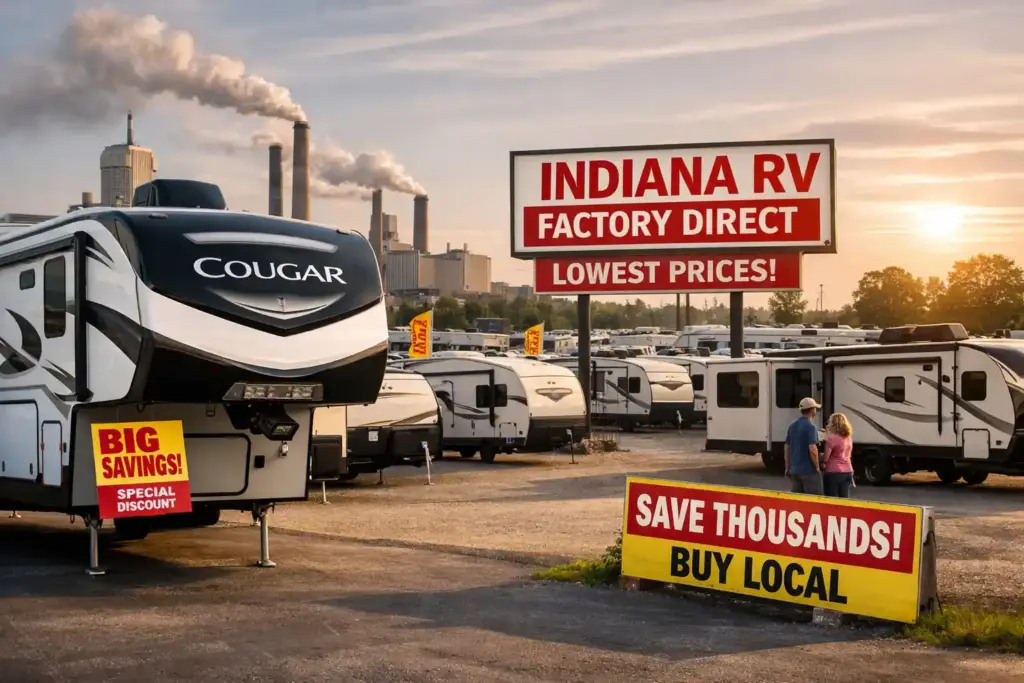
Most recreational vehicles in North America are manufactured in a small region in Northern Indiana. This concentration of factories gives local dealers a huge advantage that you can use to your benefit. They do not have to pay the high per-mile transport fees that dealers elsewhere must include in the price. For a large fifth wheel, this can save you several thousand dollars before you even start negotiating.
Dealers in this region also tend to move units much faster than those in other parts of the country. They focus on volume rather than high profit margins on a single sale. When I visited lots in this area, I saw discounts that were simply not possible in my home state. If you are willing to travel, buying at the source is a powerful money-saving move.
Savings on Destination Charges
Every new RV comes with a destination or delivery fee listed on the spec sheet. This fee covers the cost of the driver and fuel to move the unit from the factory. By buying near the manufacturer, this fee is virtually non-existent or heavily reduced. This is one of the easiest ways to keep more cash in your pocket for your first few trips.
The Advantage of the Shakedown Trip
Buying near the hub also allows for a better initial experience with your new rig. You can stay at a local park for a few days to test every system and appliance. If a major issue arises, you are close to the people who actually built the unit. This proximity can save you from waiting weeks for parts to arrive at a distant dealership.
The Montana LLC Option for Zero Sales Tax
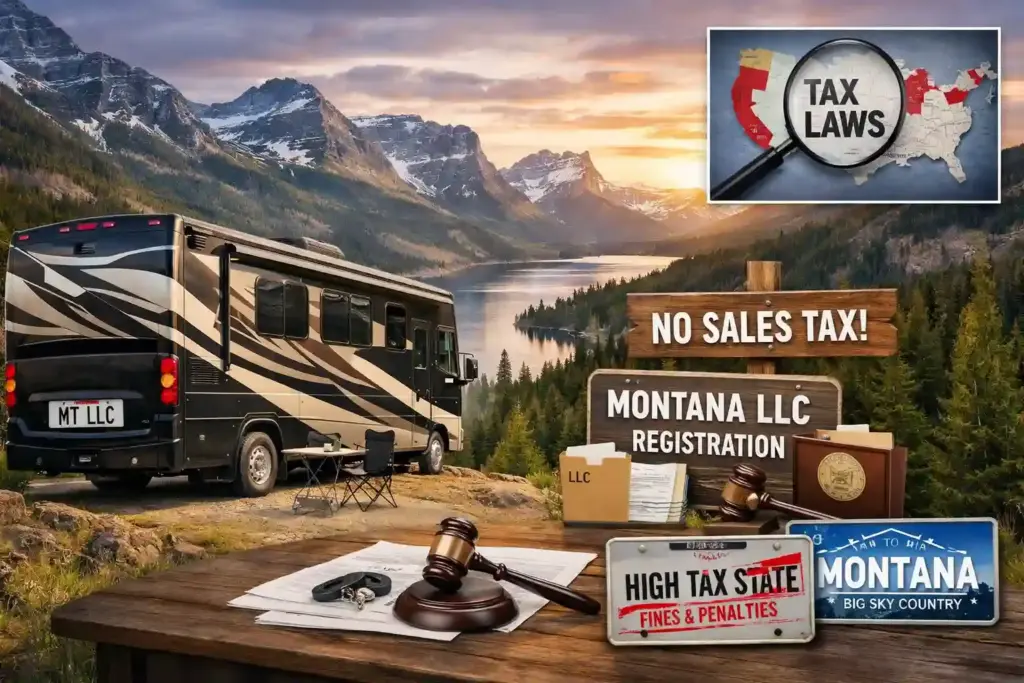
Montana is famous among the camping community because Montana has no sales tax, which clearly stands out when comparing Sales taxes in the United States and how they vary from state to state.
For a buyer looking at an expensive diesel pusher, this can save tens of thousands compared to a high-tax state. Many buyers form a Montana Limited Liability Company to legally own and register the vehicle there. Since the entity is a resident of Montana, the purchase is not subject to a sales levy.
However, you must be aware of the laws in the state where you actually live. Some states have become very aggressive about pursuing residents who use out-of-state plates to avoid local taxes. If you spend most of your year parked in a high-tax state, you could face heavy fines.
For true nomads, determining What is the Cheapest State to Buy an RV often involves weighing these legal risks against the massive tax savings. Many buyers researching how to avoid sales tax on your recreational vehicle explore Montana LLC RV registration as a legal strategy to purchase and title their RV without paying high sales tax, building on Montana’s no state tax advantage.
Permanent Registration Benefits
Montana also offers a permanent registration option for RVs that are older than eleven years. This means you pay a one-time fee and never have to buy another registration sticker for that rig. I find this especially helpful for those who enjoy restoring and traveling in vintage or older high-quality coaches. This one-time payment can save you a significant amount over the long life of the vehicle.
South Dakota for Full-Time Nomads
South Dakota is the most popular domicile state for people focused on full-time rv living due to its low excise tax and simple residency requirements. The state has a low motor vehicle excise tax which is much lower than the national average. It also has no state income tax, which is a major benefit for those working from the road. Establishing residency is simple and only requires one night of stay in a local park.
The registration process in South Dakota is also designed to be handled through the mail, and understanding South Dakota vehicle title and registration fees makes it easier for full-time travelers to maintain legal compliance without returning to the state. You do not need to bring your vehicle to the state for an inspection or for yearly renewals. This convenience makes it much cheaper for travelers who may be thousands of miles away when their tags expire. I have many friends who use this state as their home base for exactly these reasons.
Regional Price Variations Across the United States
The cost of a recreational vehicle can fluctuate wildly based on the local demand in specific geographic regions, and state and local sales tax rates play a major role in the final purchase price. In the Pacific Northwest, for example, the popularity of outdoor lifestyles keeps prices high year-round. Conversely, in the Southeast, you might find more competitive pricing on towables due to the high density of dealerships. I have noticed that even within a single state, urban dealers often charge more than those in rural areas.
States with a lower cost of living often have dealerships with lower overhead expenses. These savings are sometimes passed down to the consumer in the form of lower documentation fees. When I shop, I always look for dealers located at least fifty miles away from major metropolitan centers. This simple shift in location can sometimes result in a price difference of several thousand dollars.
Finding Deals in the Used RV Market
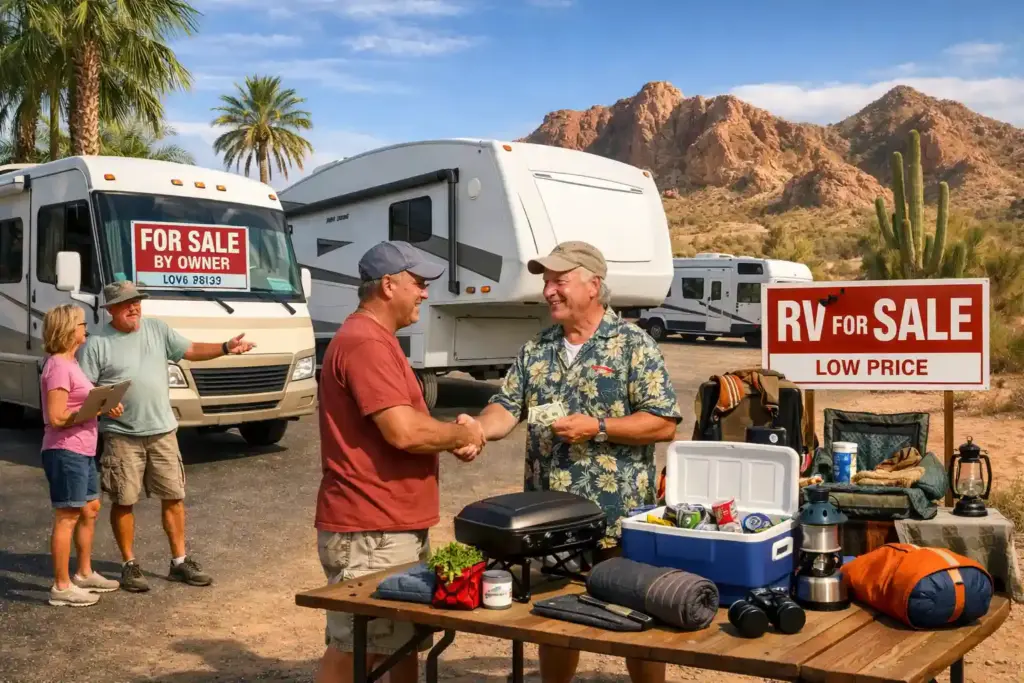
If you want a used RV, you should look at states with large populations of retirees. Florida and Arizona are the best places to find high-quality used units at a discount. Every spring, many seasonal residents decide to sell their rigs before they head back north. This creates a surplus of inventory that drives prices down for everyone else.
Because there are so many sellers at once, you have a lot of room to negotiate. I recommend looking for private party sales in these states rather than just visiting big dealerships. Private sellers are often more motivated and might include expensive camping gear in the sale price. This can save you an additional several hundred dollars on startup costs.
Managing Sun and Heat Damage
While the prices in the desert and the south are great, you must inspect the units carefully. The intense sun in Arizona can dry out roof seals and tires much faster than in other climates. In more humid regions, you should look for signs of moisture or mildew caused by the air. A cheap purchase price can quickly be erased by the cost of replacing six rotted tires.
Buying from Rental Fleets
Another way to find a cheap rig is to look at states with large rental hubs like Nevada or California. Major rental companies often rotate their stock every few years to keep the fleet fresh. These units are high mileage but are maintained on a strict professional schedule. When I ask myself What is the Cheapest State to Buy an RV for pre-owned value, checking rental lot inventories in Vegas is a top priority.
Understanding Hidden Costs and Use Tax
A common trap for new buyers is the difference between a purchase tax and state use tax, which some states still require even if the RV was purchased elsewhere. If you buy an RV in a tax-free state but register it in your home state, you will likely owe a fee. This fee is usually equal to the tax you would have paid if you bought the rig locally. Always call your local department of motor vehicles to see how much they will charge for a title transfer.
You also need to account for the cost of picking up your new vehicle. Fuel for a cross-country drive can cost a significant amount depending on the size of your engine and the RV’s weight, especially when traveling long distances, which is why understanding How much does an RV Weigh becomes an important factor before budgeting your trip. You also have to pay for food, hotels, and transit tags while you are on the road. I always add these costs to the price of the RV to see if the out-of-state deal is still worth it.
🎥 Top 5 Cheapest States for Full-Time RV Living
This video provides a practical breakdown of the most budget-friendly states to establish a home base, specifically highlighting South Dakota (as mentioned in your article) along with Missouri, Arkansas, and Mississippi. It goes beyond the initial purchase price to explain how registration fees, insurance rates, and lack of state inspections can save an RVer thousands of dollars over the life of the vehicle. The host explains the “real-world costs” of domicile, making it an excellent resource for readers who are transitioning to full-time travel and need to know where their dollar will stretch the furthest after the dealership papers are signed
FAQs
1. Who makes Heartland RV?
Heartland operates as a manufacturer under the management of Jayco. Both brands are owned by THOR Industries, allowing Heartland to benefit from shared quality standards and corporate resources.
2. Where are Heartland RVs made?
Most Heartland RV production is centered in Middlebury, Indiana, near the main corporate campus, which allows for better oversight and access to a skilled labor pool.
3. Is Heartland RV going out of business?
Heartland RV is not going out of business. The brand has undergone restructuring to improve efficiency and build quality and remains an important part of the industry portfolio.
4. What state has the lowest RV sales tax?
Some states like Montana, Alaska, Delaware, Oregon, and New Hampshire do not impose a general sales tax on RV purchases, which can result in significant savings on the purchase price.
5. Is it cheaper to buy an RV out of state?
It can be cheaper to buy an RV out of state because prices and inventory vary by location, but you may still owe use tax or sales tax when you register it in your home state.
{
“@context”: “https://schema.org”,
“@type”: “FAQPage”,
“mainEntity”: [
{
“@type”: “Question”,
“name”: “Who makes Heartland RV?”,
“acceptedAnswer”: {
“@type”: “Answer”,
“text”: “Heartland operates as a manufacturer under the management of Jayco. Both brands are owned by THOR Industries, allowing Heartland to benefit from shared quality standards and corporate resources.”
}
},
{
“@type”: “Question”,
“name”: “Where are Heartland RVs made?”,
“acceptedAnswer”: {
“@type”: “Answer”,
“text”: “Most Heartland RV production is centered in Middlebury, Indiana, near the main corporate campus, which allows for better oversight and access to a skilled labor pool.”
}
},
{
“@type”: “Question”,
“name”: “Is Heartland RV going out of business?”,
“acceptedAnswer”: {
“@type”: “Answer”,
“text”: “Heartland RV is not going out of business. The brand has undergone restructuring to improve efficiency and build quality and remains an important part of the industry portfolio.”
}
}
]
}
Final Thoughts: How to Find Your Best Deal
The cheapest state to buy an RV depends on your goals and your residency. If you want a brand-new unit, focusing on the high-volume dealers in the Midwest will save you the most. For those buying luxury rigs or living full-time on the road, the tax benefits of the Great Plains are usually the best choice. Always look at the total cost of ownership including fees, registration, and the fuel to get it home.
I suggest starting your search by getting a firm quote from a dealer near your home. Use that number as a baseline to compare against the deals you find in other regions. Sometimes the savings are so large that a cross-country trip is clearly the right move. I hope this guide helps you find the perfect rig at a price that leaves you plenty of money for the road ahead.