
The desire for a beautiful exterior often conflicts with the reality of a packed schedule. Homeowners who want a picturesque yard without sacrificing every weekend to upkeep must rely on smart design principles. Transforming a high-maintenance space into an efficient, self-sustaining landscape requires focusing on resilient features that minimize labor and resource consumption. Implementing these seven essential elements will create an appealing outdoor environment that thrives with minimal effort.
1. Selecting Drought-Tolerant, Native Species
The cornerstone of a low-effort yard is smart plant selection. Choosing species that are naturally adapted to the local climate drastically cuts down on the need for constant watering and specialized soil amendments. Native plants flourish in regional conditions, requiring minimal fertilizer and resisting common pests and diseases.
Prioritizing Perennials
While seasonal annuals offer intense bursts of color, they require annual replanting and consistent care, making them high-maintenance. Perennials, such as hostas, coneflowers, and daylilies, return each year, filling in space and establishing deep root systems over time, which naturally suppresses weed growth. Focusing the design primarily on these returning plants ensures long-term beauty with less work. Drought-resistant options like lavender, sedum, and ornamental grasses are particularly robust choices that tolerate neglect and dry spells exceptionally well.
2. Strategic Use of Mulch and Ground Covers
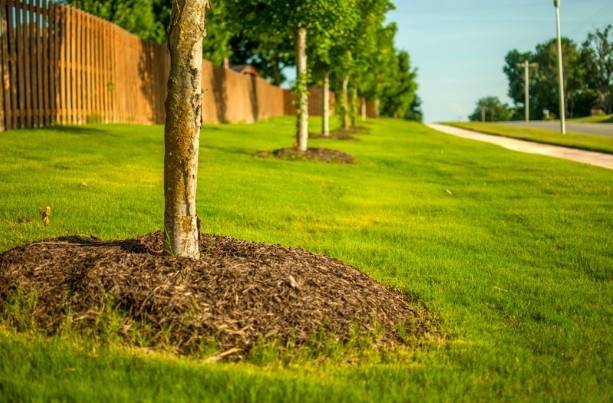
Weeding is one of the most time-consuming aspects of traditional gardening. The most effective defense against weeds is strategic ground management using mulch and ground covers.
The Benefits of Mulching
Applying a layer of organic mulch, approximately two to three inches deep, around all planting beds accomplishes several maintenance goals simultaneously. It blocks sunlight, preventing weed seeds from germinating. Additionally, mulch acts as a sponge, retaining soil moisture so that plants need less frequent irrigation. It also regulates soil temperature, protecting roots from extreme heat or cold. Organic materials like bark or wood chips slowly decompose, naturally enriching the soil over time.
Replacing Grass with Spreading Plants
In areas where grass struggles or access is difficult, low-growing ground cover plants offer a permanent, low-upkeep solution. Plants such as creeping thyme, vinca, or pachysandra spread horizontally, quickly colonizing open soil and preventing weeds from taking hold. Once established, these covers require virtually no active maintenance.
3. Implementing Automated Irrigation Systems
Eliminating manual watering simplifies yard care immensely. Automated irrigation systems provide consistent and efficient water delivery, often reducing water usage significantly compared to overhead sprinklers. This same low-maintenance mindset matters when choosing the best RV for full time living, where efficient water systems can make daily routines easier and more practical.
Efficiency of Drip and Soaker Hoses
Drip irrigation and soaker hoses are excellent choices for beds, borders, and vegetable gardens. They deliver water directly to the plant root zone, minimizing evaporation loss and keeping foliage dry, which reduces the risk of fungal diseases. When paired with a simple timer, this technology ensures plants receive the exact amount of water needed on a set schedule, turning watering into a set-and-forget task. Smart controllers take this efficiency a step further by adjusting schedules based on local weather data.
4. Minimizing Lawn Coverage with Hardscaping
Traditional lawns demand continuous mowing, edging, feeding, and aerating, making them the most labor-intensive feature of most yards. Reducing the extent of turfgrass is perhaps the single most effective way to lower overall maintenance time.
Functional Hardscape Features
Hardscaping refers to the non-living elements in a landscape, such as pathways, patios, decks, and walls. These features require minimal upkeep once correctly installed. Replacing large sections of grass with a paved or decked outdoor living area creates a functional space perfect for entertaining, needing only occasional cleaning. For properties with uneven terrain, installing a robust support structure, like a boulder retaining wall in West Valley City, is a practical hardscaping solution that provides essential erosion control while creating level, usable tiers for planting or leisure areas.
5. Integrating Decorative Rock and Gravel Beds
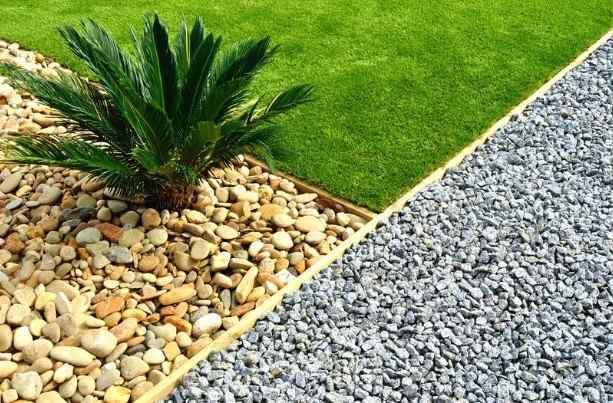
Decorative rock and gravel offer an attractive, dry alternative to turf in areas where drainage is poor or water conservation is a priority. Gravel pathways and stone beds, especially when installed over a weed-suppressing membrane, provide structure and visual texture while eliminating the need for irrigation or weeding. These stone features are particularly well-suited to xeriscaping, a design method focused on using elements that require very little water or upkeep.
6. Defining Spaces with Clean Borders and Edges
A polished appearance often suggests intense maintenance, but clean lines can be achieved easily and maintained with minimum effort. Defined borders provide a crisp separation between the lawn, garden beds, and pathways, giving the entire yard a neat, professional finish.
Using Materials to Create Definition
Borders can be established using permanent materials like metal, brick, or stone. These physical barriers prevent grass or weeds from creeping into garden beds, greatly simplifying edging tasks. Well-placed edging helps contain mulch and soil, contributing to a consistently tidy look with only minimal routine trimming required.
7. Strategic Lighting for Ambiance and Safety
While not directly related to plant care, outdoor lighting is an essential low-maintenance feature that maximizes the enjoyment and security of the yard. Once installed, a good lighting scheme requires no daily effort.
Low-Voltage and Solar Solutions
Low-voltage LED lighting systems are highly energy efficient and require only occasional bulb replacement. Solar-powered lights are even simpler, requiring zero external wiring or energy consumption. Placing subtle path lights along walkways ensures safety, while uplights can highlight trees, decorative elements, or hardscape features, enhancing the visual appeal of the yard after sunset. This automation of ambiance allows the homeowner to appreciate their low-maintenance landscape at any hour.
Conclusion
Creating a yard that looks perpetually pristine without constant effort is entirely achievable through thoughtful design. By implementing these seven core strategies—from choosing resilient plants and utilizing water-saving technology to strategically employing hardscaping and clear boundaries—busy homeowners can cultivate a beautiful, functional outdoor retreat that requires minimal attention, allowing them more time to simply enjoy their surroundings.