
Heavy lifting operations rely entirely on the strength and reliability of your gear. A failed sling or snapped shackle can cause massive delays, property damage, and severe safety hazards. Keeping your equipment in excellent condition extends its lifespan and protects everyone on the job site.
This guide breaks down the essential steps for daily inspections, proper storage, and long-term care to keep your lifting tools operating safely. It is critical to establish baseline standards for your crew so everyone understands how to handle these heavy-duty items properly.
The Value of Routine Maintenance
Regular upkeep prevents minor wear from turning into major failures. Workers put immense stress on hoists, wire ropes, and shackles every single day. Over time, constant friction, unpredictable weather, and heavy loads degrade these materials. Implementing a strict care schedule ensures you catch defects early. Proactive care also saves money. Replacing a frayed sling early is far cheaper than dealing with the aftermath of a dropped load.
Daily Visual Checks
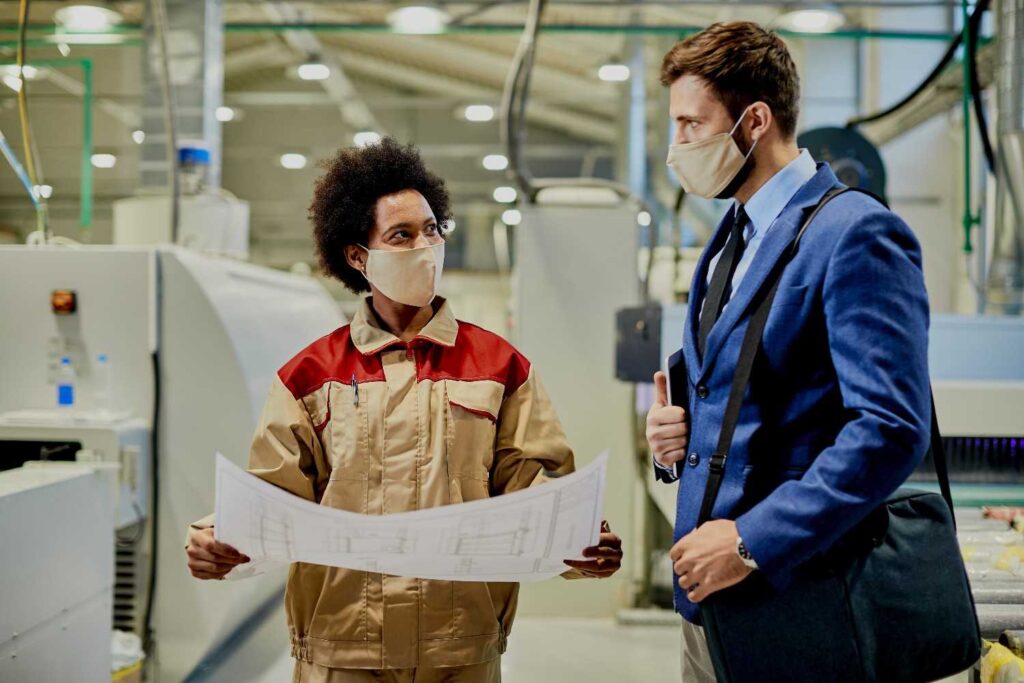
A quick but thorough assessment before every shift serves as your first line of defense. Train your entire team to look for signs of damage before they attach any load to a crane or hoist.
Inspecting Slings and Wire Ropes
Examine synthetic slings for cuts, burns, or excessive abrasion. If you see exposed red core yarns, remove the sling from service immediately. For wire ropes, look closely for broken wires, sharp kinks, and signs of deep corrosion. Run a thick gloved hand along the rope to feel for hidden snags or irregularities.
Evaluating Hardware and Shackles
Check all metal components for tiny cracks, bending, and severe rust. Pins must seat fully into shackles without requiring excessive force. If threads look stripped or parts show obvious stretching, discard the hardware permanently. Never weld or alter load-bearing components to fix them, as this destroys their structural integrity.
Conducting Deep Periodic Inspections
Daily checks catch obvious flaws, but you also need documented, thorough evaluations. Depending on how often you use the gear, schedule these comprehensive reviews monthly or quarterly. A designated safety manager must evaluate every piece of equipment closely. They should measure hooks for throat opening expansion and inspect the inner strands of thick ropes.
Keeping detailed logs of these reviews helps track the degradation over time and creates a clear history of your inventory. If you need specialized help managing complex operations, reaching out to professional industrial rigging services in Salt Lake City can provide valuable support. These extensive audits keep your operations compliant with safety regulations.
Cleaning and Lubrication Practices
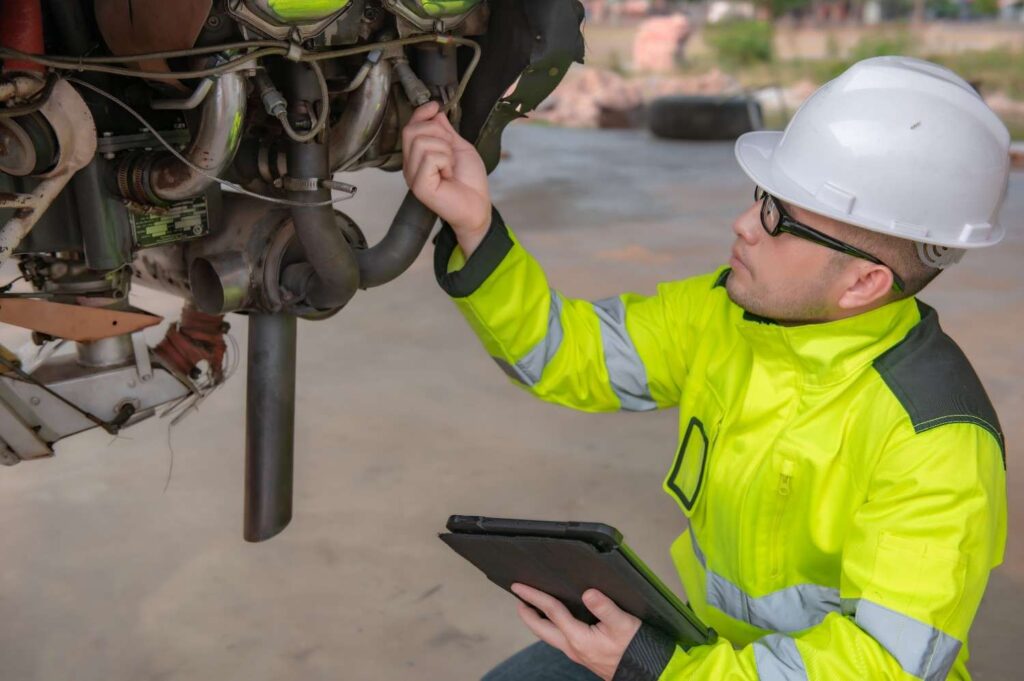
Grime, dirt, and chemical spills eat away at synthetic fibers and metal alloys. Proper cleaning preserves the baseline integrity of your tools.
Washing Synthetic Materials
Clean nylon and polyester slings using mild soap and warm water. Never use harsh chemicals or industrial solvents, as these weaken the fragile fibers. Let them air dry completely before putting them away. Avoid drying them in direct sunlight or near extreme heat sources, which causes the material to become brittle.
Lubricating Moving Parts
Metal cables and mechanical hoists require regular lubrication to reduce internal friction. Use the specific oil or heavy grease recommended by the original manufacturer. Apply a light coat to prevent rust, but avoid using so much that it attracts excessive dust and grit from the job site. Wipe away any excess oil with a clean cloth.
Organizing Your Storage Area
Tossing gear onto the floor or leaving it outside ruins it very quickly. Create a dedicated space for all lifting accessories. Hang slings on wall racks or rounded pegs to keep them off the ground. Store metal hardware in dry, temperature-controlled bins to prevent moisture buildup and early rust.
Organizing your supply room also makes it much easier to find the right tool for the job, saving valuable time during busy shifts. A clean storage environment is just as important as the physical inspections.
Knowing When to Retire Your Gear
Every tool has a finite lifespan. You must remove compromised gear from the worksite permanently. Cutting a damaged sling in half prevents another worker from accidentally pulling it out of the trash and using it. Deformities, missing identification tags, and heat damage are clear indicators that an item is no longer safe. Never hesitate to replace questionable equipment. When in doubt, throw it out.
Next Steps for Safety
Protecting your team and your cargo starts with proactive maintenance. Set a strict inspection schedule and stick to it every single week. Train your crew to identify common wear patterns. Remove any damaged items from rotation right away.
Prioritizing equipment care guarantees safer lifts, supports efficient project delivery, and ensures better long-term performance.