
Your HVAC system is the largest consumer of energy in most homes, accounting for nearly half of your utility bill. An outdated, inefficient system works harder, leading to high costs and poor temperature control. However, by upgrading to modern, energy-efficient technology, you can reduce energy waste, lower your carbon footprint, and save money.
Is Your HVAC System an Energy Vampire?
Before you can fix the problem, you have to diagnose it. Many homeowners assume their HVAC system is fine as long as it turns on, but “functioning” is not the same as “efficient.” Several hidden components could be quietly draining your energy.
The “Dumb” Thermostat
Older, manual thermostats are notoriously inefficient. They rely entirely on human intervention. If you forget to dial down the heat before leaving for work, your system spends eight hours warming an empty house.
Even programmable thermostats can be problematic if they aren’t set up correctly or if your schedule changes frequently. They lack the nuance to adapt to real-time conditions, leading to unnecessary runtime.
The Clogged Airway
Your HVAC system needs to breathe. When air filters are clogged with dust, pet dander, and debris, the blower fan has to work overtime to push air through the ducts. This increased resistance doesn’t just spike your energy usage; it can also lead to premature wear and tear on the unit itself.
Similarly, leaky ductwork can result in a loss of up to 30% of the air moving through the system, meaning you are paying to heat your attic or crawlspace rather than your living room.
The Aging Unit
HVAC technology has improved drastically in the last decade. If your air conditioner or furnace is more than 15 years old, it likely utilizes outdated technology. Older units often operate at a single speed—meaning they are either running at 100% capacity or they are off.
This “blast or nothing” approach creates temperature swings and consumes a massive amount of power during startup.
Top Upgrades for Maximum Efficiency
Once you’ve identified the inefficiencies, it is time to look at solutions. You don’t always need to rip out the entire system to see improvements, though sometimes a full replacement is the smartest financial move. Here are the most impactful upgrades available today.
Smart Thermostats
This is often the most accessible entry point for energy efficiency. Smart thermostats go beyond simple scheduling. They learn your habits, adjust temperatures based on whether you are home or away (using geofencing technology), and can even be controlled remotely via your smartphone.
Some models provide energy reports, showing you exactly when and how you are using energy, which encourages better habits.
Variable Speed Equipment
If you are in the market for a new unit, look for variable speed technology. Unlike the single-stage motors of the past, variable speed blowers can adjust their airflow output to meet the specific heating or cooling demands of the moment.
They can run at lower speeds for longer periods, which maintains a more consistent temperature, provides better dehumidification, and uses significantly less electricity than frequent on/off cycling.
High-Efficiency Filters and Air Purifiers
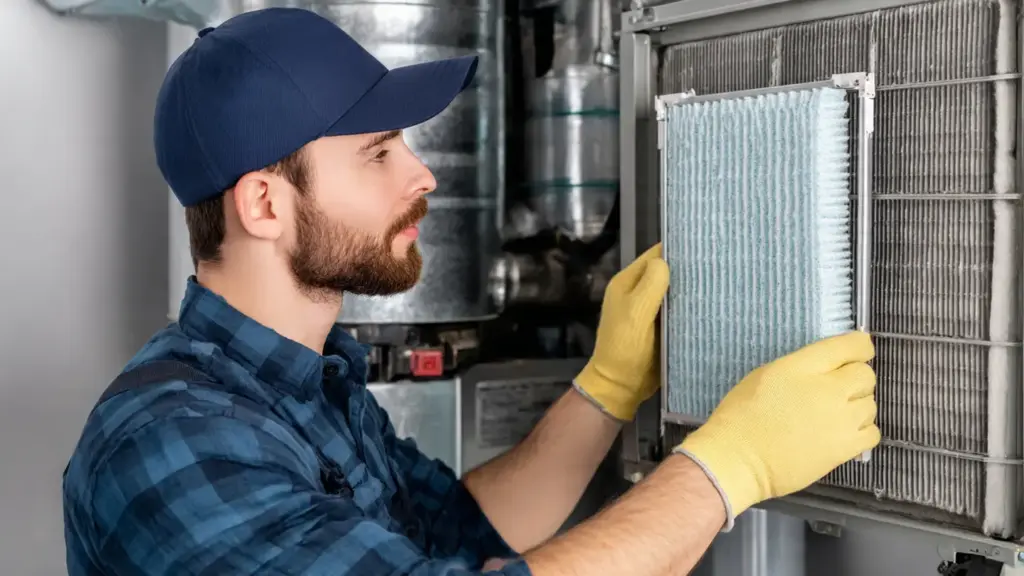
Upgrading your filtration system does two things: it improves your indoor air quality and protects your HVAC equipment. High-efficiency media filters have a larger surface area than standard 1-inch filters, allowing for better airflow even as they trap smaller particles.
This keeps the internal components of your system cleaner, ensuring they operate at peak efficiency for longer.
DIY Tips to Boost Performance
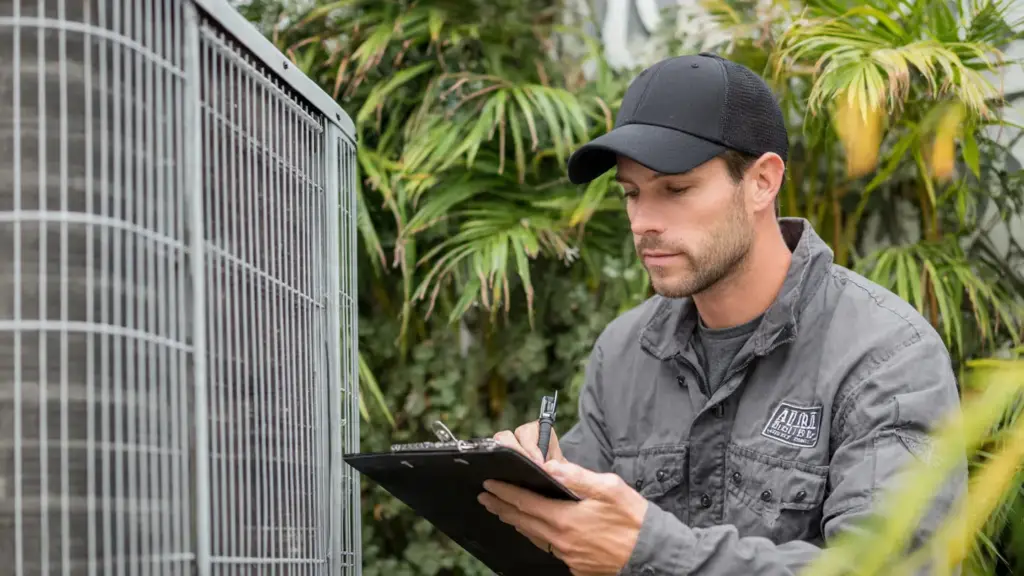
You don’t always need a credit card to improve your home’s energy profile. There are several maintenance tasks you can handle yourself to ensure your system runs smoothly.
- Change Filters Religiously: Check your air filter every 30 to 90 days. If it looks dirty, swap it out. This is the single easiest way to maintain efficiency.
- Clear the Area: Ensure your outdoor condenser unit is free of leaves, grass clippings, and overgrown shrubs. It needs at least two feet of clearance on all sides to exhaust heat effectively.
- Seal the Leaks: Inspect your windows and doors for drafts. Using weatherstripping or caulk to seal these gaps prevents your conditioned air from escaping, meaning your HVAC system doesn’t have to work as hard to maintain the set temperature.
- Unblock Vents: Walk through your home and ensure that rugs, furniture, or curtains aren’t blocking your supply or return vents. Blocked vents disrupt the pressure balance in the system, forcing it to work harder.
When to Call the Professionals
While changing a filter is a great DIY task, significant upgrades require expert hands. HVAC systems involve high-voltage electricity, natural gas lines, and pressurized refrigerants. Mishandling these components can lead to expensive damage or dangerous safety hazards.
Professional technicians can perform a load calculation to ensure any new equipment is perfectly sized for your home—an oversize unit is just as inefficient as an undersize one. They can also inspect ductwork for leaks that are invisible to the untrained eye.
Furthermore, if your current system is nearing the end of its life, a professional can help you navigate the complex world of SEER (Seasonal Energy Efficiency Ratio) and AFUE (Annual Fuel Utilization Efficiency) ratings to find the best unit for your budget.
Geography also plays a role in these decisions. Climate demands vary wildly, and local experts understand these nuances better than anyone
. For example, if you are facing a bitter winter in Utah and your heating system is failing, seeking professional furnace replacement services in Draper ensures you get a system capable of handling that specific climate, rather than a generic solution that might struggle when temperatures drop below freezing.
The Financial Reality: Cost vs. Savings
The hesitation for most homeowners comes down to the price tag. High-efficiency HVAC systems and smart upgrades often come with a higher upfront cost than standard alternatives. However, it is crucial to view this as an investment rather than an expense.
A modern, high-efficiency system can reduce energy usage by 20% to 50%. If your average energy bill is $200 a month, saving 30% puts $720 back in your pocket every year. Over the 15-20 year lifespan of the system, that adds up to thousands of dollars in savings, effectively paying for the upgrade over time.
Additionally, governments and utility companies often offer rebates and tax credits for installing energy-efficient equipment. The Inflation Reduction Act, for instance, offers significant tax credits for heat pumps and high-efficiency furnaces, lowering the barrier to entry.
When you factor in the monthly operational savings, the increased property value, and available financial incentives, the return on investment becomes clear.
Conclusion
Upgrading your HVAC system is about more than just lowering a bill. It is about creating a home that feels better to live in—a home without cold spots, without humidity issues, and without the constant roar of an overworked furnace.