
In many villages and small towns, children often find themselves playing in the streets due to a lack of designated recreational spaces. While street play has a certain nostalgic charm, modern traffic volumes and safety concerns make it an increasingly risky activity. Transitioning from informal street play to structured, safe playgrounds is a vital step for any community looking to prioritize the well-being of its youngest residents. By shifting the focus to purpose-built environments, villages can create safer, healthier, and more connected communities.
The Risks of Unstructured Street Play
Historically, streets were the primary domain for childhood games. However, as villages expand and traffic density increases, the roadway is no longer a safe extension of the front yard.
Traffic and Safety Concerns
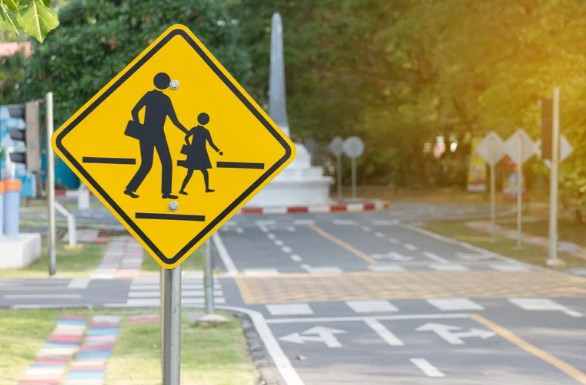
The most immediate danger of street play is the conflict between pedestrians and vehicles. Even in quiet villages, cars, delivery trucks, and agricultural machinery pose significant risks. Children, often absorbed in their games, may not notice approaching vehicles, and drivers may not anticipate a child darting out from behind a parked car. Moving play away from the asphalt and into a protected park setting drastically reduces the likelihood of accidents and gives parents peace of mind.
Limited Developmental Opportunities
While street games encourage some physical activity, they are often limited by the environment. Paved surfaces are unforgiving for falls, limiting the types of physical challenges children are willing to attempt. Furthermore, streets lack the variety of sensory experiences and equipment designed to target specific developmental milestones, such as balance, upper body strength, and fine motor skills.
The Benefits of Designated Play Spaces
Investing in proper infrastructure transforms the village experience for families. A well-designed playground is more than just a collection of slides and swings; it is a community asset that yields high returns in health and social capital.
Enhancing Physical Health
Dedicated playgrounds provide a diverse range of equipment that encourages comprehensive physical development. Climbing structures build core strength, monkey bars improve grip and coordination, and open green spaces allow for sprinting and ball games without the fear of traffic. When children have access to engaging equipment, they are more likely to play longer and more vigorously, combating sedentary lifestyles.
Strengthening Community Bonds
Playgrounds act as social hubs. They are neutral grounds where neighbors meet, parents exchange advice, and children from different parts of the village interact. This fosters a sense of belonging and strengthens community ties. Unlike the isolation of playing in a private driveway, a shared village playground brings residents together, creating a cohesive social fabric where families look out for one another.
Designing Safer Village Spaces
Creating a successful play area requires careful planning and execution. It is not enough to simply fence off a patch of grass; the space must be thoughtfully designed to be safe, inclusive, and durable.
Collaborating with Experts

designing a playground is a specialized field that balances safety standards with fun. Village committees should seek guidance from professionals who understand the nuances of layout, surfacing, and equipment durability. For example, consulting with experienced playground companies in Utah or similar regions known for outdoor recreation can provide valuable insights into creating spaces that withstand diverse weather conditions while maximizing play value. Expert input ensures that the playground meets all safety regulations and offers a compelling design that keeps children coming back.
Prioritizing Inclusivity
A truly community-centered playground caters to everyone. This means incorporating inclusive design principles so that children of all abilities can play side by side. Features like wheelchair-accessible paths, ground-level sensory panels, and adaptive swings ensure that no child is excluded. Inclusivity also extends to age; a good village park has zones for toddlers, challenging equipment for older kids, and seating for supervising adults and seniors.
Ensuring Safety and Maintenance
Safety does not end with installation. To keep the transition from streets to playgrounds successful, the space must be well-maintained. This involves choosing high-quality, non-toxic materials and installing impact-absorbing surfacing, such as rubber mulch or poured-in-place rubber, to cushion falls. Regular inspections are crucial to identify wear and tear, loose bolts, or potential hazards. A clean, well-lit, and cared-for playground signals to the community that this is a valued and safe space for their children.
Conclusion
Moving play from the streets to purpose-built playgrounds is an essential evolution for modern villages. It protects children from traffic dangers while providing an environment that nurtures their physical and social growth. By investing in safe, inclusive, and expertly designed play spaces, villages can ensure that their children have the freedom to explore, learn, and thrive in safety.