
For many car owners, the check engine light or a strange new noise can cause immediate stress. The first thought is often about the potential cost of a professional repair. This leads to a common question: can I fix this myself? The decision between a do-it-yourself (DIY) project and a visit to a professional mechanic is a crucial one. Making the right choice can save you money and provide a sense of accomplishment, while the wrong one can lead to more expensive problems and serious safety risks.
Understanding which repairs are suitable for your skill level is key. This guide will help you determine when to break out the toolbox and when it is best to call in an expert.
Simple Repairs You Can Often Do Yourself
Some vehicle maintenance tasks are straightforward and require minimal tools or expertise. Tackling these jobs can be a great way to familiarize yourself with your car and save on labor costs.
Basic Maintenance and Fluid Checks
Most car owners can handle several routine tasks. These include:
- Changing engine oil and oil filter: With a few basic tools and some research, an oil change is a manageable weekend project.
- Replacing air filters: Both the engine and cabin air filters are typically easy to access and swap out.
- Topping off fluids: Checking and refilling windshield washer fluid, coolant, and brake fluid are simple but vital tasks.
- Replacing wiper blades: This is a quick and easy fix that significantly improves visibility in poor weather.
Minor Component Replacements
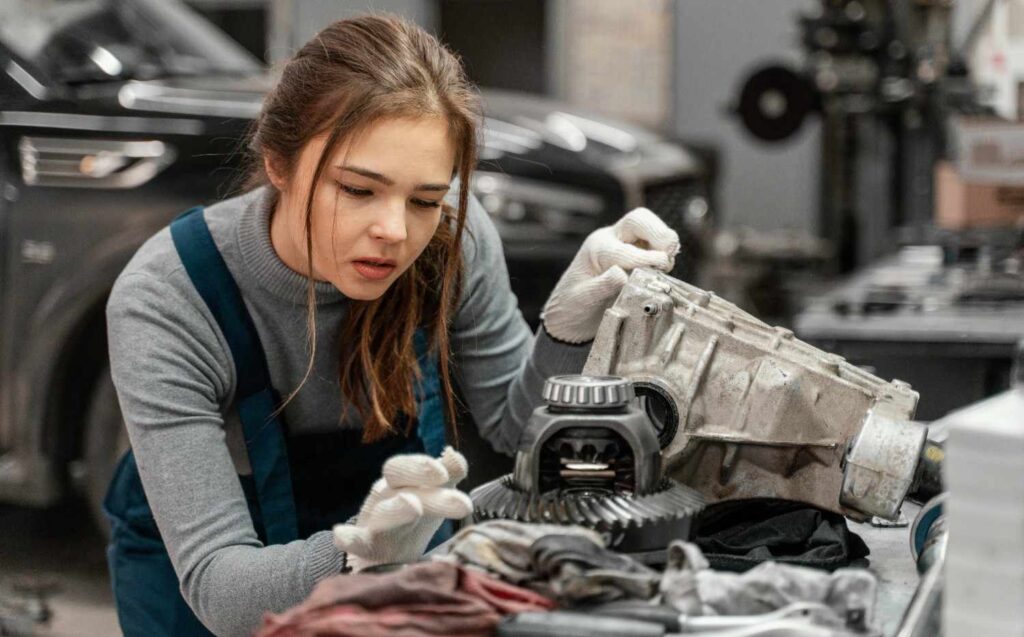
With more confidence, you could tackle slightly more involved jobs. Changing a dead battery, for example, usually involves just a few bolts and careful handling. Replacing a burnt-out headlight or taillight bulb is another common DIY repair that can be done with basic hand tools. These tasks have many online tutorials available to guide you step-by-step.
When to Call a Professional Mechanic
While DIY repairs are empowering, some jobs carry significant risks if done incorrectly. Certain repairs require specialized tools, in-depth knowledge, and precision that only a trained professional can provide.
Complex Engine and Transmission Work
Anything involving the internal components of your engine or transmission should be left to the experts. These systems are incredibly complex, and a small mistake can lead to catastrophic failure. Tasks like timing belt replacements, internal engine diagnostics, or transmission repairs require a deep understanding of automotive mechanics and specialized equipment. Attempting these jobs without proper training can turn a manageable repair into a complete vehicle overhaul.
Brake System and Suspension Repairs
Your car’s brake and suspension systems are critical for safety. While replacing brake pads can sometimes be a DIY job for those with experience, any major brake work should be handled by a professional. This includes replacing calipers, brake lines, or the master cylinder. Similarly, suspension work like replacing struts or control arms affects your vehicle’s alignment and handling, making professional expertise essential for a safe outcome.
Advanced Electrical and Safety Systems
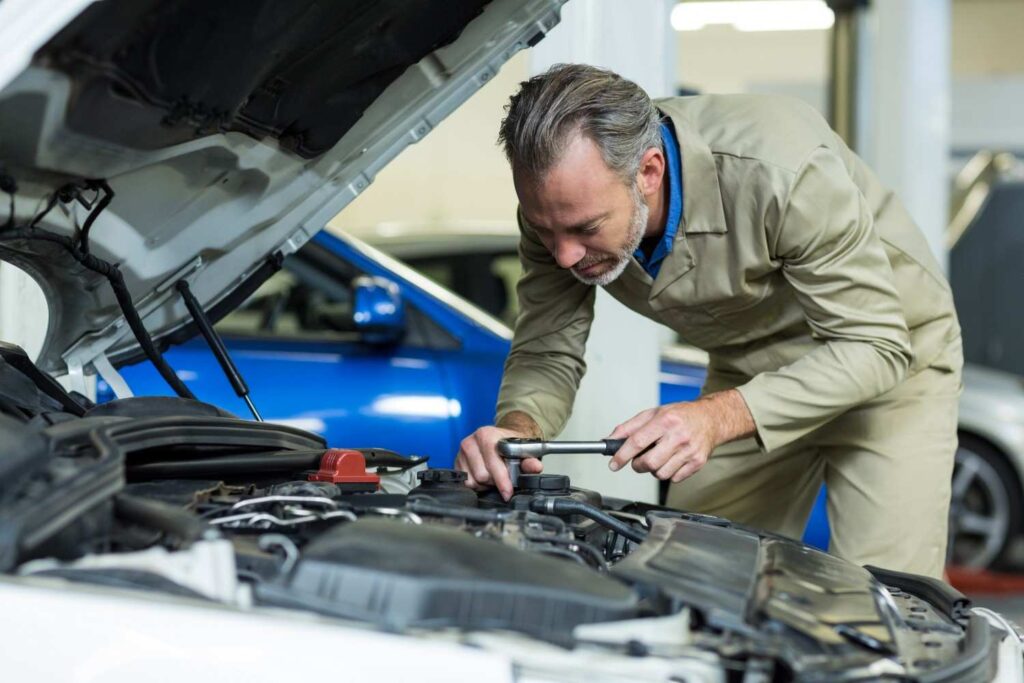
Modern vehicles are equipped with complex electrical systems, computers, and safety features. Diagnosing electrical problems or working on airbag systems is not a DIY task. These systems require specific diagnostic tools to identify faults correctly. Safety-related jobs, such as a windshield replacement in Orem, also fall into this category. The windshield is a structural component of the car, and improper installation can compromise its integrity and the function of related safety sensors.
Making the Final Decision
Before starting any repair, honestly assess three things: your knowledge, your tools, and the risks. Do you fully understand the procedure? Do you have the right equipment to do the job safely and correctly? What could go wrong if you make a mistake? If you have any doubt about your ability to complete a repair safely, it is always wiser to seek professional help. A good mechanic provides peace of mind and ensures your vehicle remains reliable and safe on the road.