
I’ll never forget walking into my first RV show and seeing a Keystone Montana towering over the rest. The size, the luxury, the attention to detail—it was unforgettable. Later, when I browsed dealerships, Keystone seemed to be everywhere, from entry-level Springdale trailers to high-end fifth wheels. That got me curious: who owns Keystone RV? Knowing who’s behind the brand helps you understand not just the RV itself, but also the financial support, warranty strength, and reputation that come with it.
The short answer? Keystone RV is owned by Thor Industries, the world’s largest RV manufacturer. But the history of how Keystone got there is just as interesting as the RVs themselves.
Who Owns Keystone RV Today?
If you’re here for the quick answer: Keystone RV is owned by Thor Industries. Thor is one of the biggest RV manufacturers in North America, and Keystone is one of its major towable brands.
I’m going to keep this page practical. I’ll explain who owns Keystone, when that ownership changed, and what it means for real shoppers—like how Keystone travel trailers, Montana RV fifth wheels, and Keystone toy hauler lines fit into the bigger Thor brand family.
Key takeaways before you scroll
-
Who owns Keystone: Thor Industries owns Keystone RV.
-
When ownership changed: Thor acquired Keystone in 2001 (often reported around $145 million).
-
Why this matters: ownership affects brand “family,” parts sourcing, dealer networks, and how shoppers compare brands like Keystone vs Jayco vs Heartland.
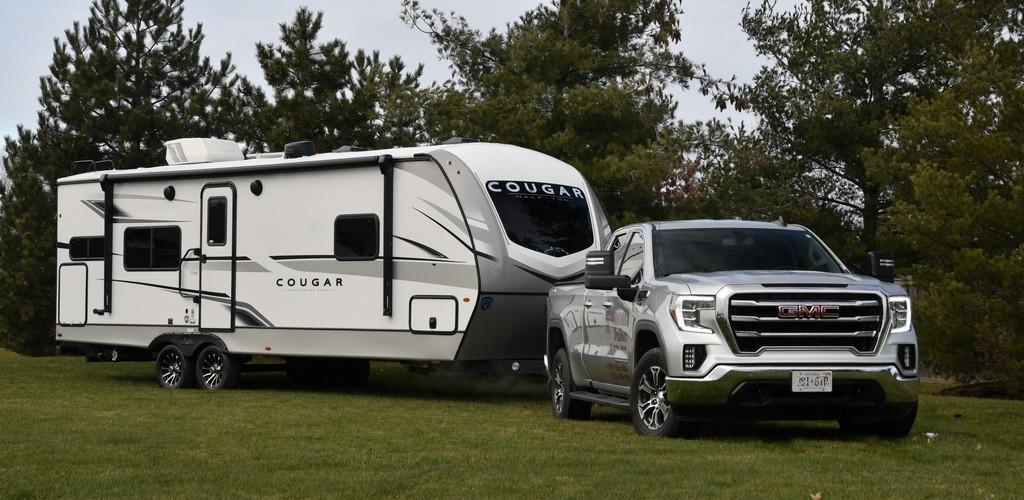
Image Source: RV Lifestyle Magazine
Keystone RV Ownership Timeline
Here’s a quick overview of Keystone’s ownership journey:
| Year | Event | Details |
| 1996 | Keystone founded | Founded by Cole Davis in Goshen, Indiana. |
| 1990s–2000 | Rapid growth | Keystone quickly expands with Montana and Cougar lines. |
| 2001 | Acquired by Thor Industries | Thor purchases Keystone RV, boosting its dominance in towables. |
| 2025 | Present day | Keystone continues operating under Thor, offering a wide product lineup. |
Who Founded Keystone RV?
Keystone RV was founded in 1996 by Cole Davis. His vision was to create affordable, high-quality towable RVs that appealed to families. Keystone’s early models like the Montana and Cougar hit the sweet spot of affordability and comfort, making them some of the best-selling fifth wheels in North America.
Even after selling to Thor in 2001, Keystone kept much of its original design philosophy, continuing to innovate in towables and introducing lightweight travel trailers that appealed to a broader market.
Which Brands Fall Under Keystone RV?
Keystone has a diverse lineup of RV brands that cover everything from budget-friendly to luxury models. Some of the most popular include:
- Montana – A flagship fifth wheel, known for luxury features.
- Cougar – A versatile lineup of travel trailers and fifth wheels.
- Springdale – Affordable and family-friendly towables.
- Bullet – Lightweight and easy-to-tow travel trailers.
- Hideout – Entry-level trailers perfect for first-time RVers.
- Fuzion & Raptor – Toy haulers designed for adventure seekers.
This variety makes Keystone one of Thor’s most valuable subsidiaries, appealing to first-time buyers as well as full-time RVers.
Where Are Keystone RVs Built?
Keystone RVs are built in Goshen, Indiana, and surrounding Elkhart County. This region is often called the RV Capital of the World, home to a dense concentration of manufacturers, suppliers, and skilled workers. Being located here helps Keystone maintain efficient supply chains and consistent build quality.
When Thor acquired Keystone RV and why it matters
Thor Industries didn’t “create” Keystone—it acquired Keystone RV in 2001. This detail matters because it explains why Keystone sits alongside other Thor brands today and why shoppers often compare similar floorplans across the same parent company.
From a buyer perspective, ownership doesn’t automatically tell you “quality,” but it does help you understand the brand ecosystem—things like how widely supported a brand is, how strong the dealer footprint tends to be, and why certain design approaches or feature packages show up across multiple lines.
Keystone travel trailers
When people ask “who owns Keystone,” they’re usually shopping Keystone travel trailers or comparing them to other towables. Keystone’s lineup typically covers a wide range—from lighter, more budget-friendly family travel trailers to longer, feature-heavy models designed for extended trips.
If you’re comparing apples to apples, focus on your non-negotiables: sleeping layout, cargo capacity, and how you’ll actually travel (weekends vs long road trips). That’s the fastest way to narrow the list before you get lost in trim names.
Montana RV
Montana RV is one of the most searched Keystone lines for a reason: it’s commonly associated with fifth-wheel shoppers who want more residential-style space. If you’re choosing Montana, I recommend you decide your “must-have” features first—like bed/bath layout, kitchen size, and storage—because different floorplans change the day-to-day experience more than the badge does.
For shoppers who plan to stay out longer, Montana-style fifth wheels often get compared to similar-sized fifth wheels from other major manufacturers. The best move is to compare floorplan-to-floorplan, not brand-to-brand.
Keystone Montana 5th wheel
A Keystone Montana 5th wheel typically appeals to people who want more living space, higher ceilings, and better separation between sleeping and living areas. Fifth wheels can also feel more stable to tow for some setups, but they require the right truck and hitch configuration.
If you’re new to fifth wheels, I’d treat the Montana line as a “layout-first” decision. Choose the floorplan that matches how you live—then evaluate build details, storage, and service accessibility.
Keystone fifth wheels for sale
When you’re browsing Keystone fifth wheels for sale, don’t just shop by price. Shop by the full cost of ownership: expected maintenance, dealer service access, and whether the unit’s size matches where you actually plan to camp (state parks vs RV resorts vs boondocking).
I also recommend checking the warranty terms and verifying that your local service options can handle your unit’s size. Service convenience is one of the biggest “nobody told me this” realities with bigger fifth wheels.
Keystone Passport
Keystone Passport often shows up in searches from people who want something easier to tow than a large fifth wheel, while still keeping the features that make trips comfortable. The smart way to choose here is to be honest about towing comfort and how often you’ll move.
If you travel frequently, a lighter, simpler setup can feel like a win long-term because it reduces stress, fuel costs, and “white-knuckle” driving days.
Keystone Passport travel trailer
A Keystone Passport travel trailer is usually researched by families and couples who want a balance: livable interior space without stepping into the heavier fifth-wheel world. If you’re deciding between a Passport travel trailer and another line, check the basics that impact your day-to-day: tank capacities, pantry space, and storage access when slides are in.
That “slides-in usability” test saves you from buying a trailer that feels great on a lot, but frustrating on travel days.
Keystone Sprinter
Keystone Sprinter searches typically come from shoppers who want a more feature-forward towable experience and are willing to compare mid-to-upper range options. Instead of getting stuck on trim labels, compare what you truly use: insulation approach for your climate, storage, and kitchen/bath practicality.
I also recommend comparing your top two floorplans side-by-side and asking: “Which one would I still like after a week of rain inside?” That’s the real test.
Keystone toy hauler
A Keystone toy hauler is all about cargo flexibility. People love the garage space for bikes, ATVs, and extra storage, but the trade-off can be weight and how the layout feels when the garage converts to living space.
If you’re deciding on a toy hauler, prioritize cargo capacity, ramp usability, and how the garage converts (beds, seating, airflow). Toy haulers feel amazing when the conversion design works—and annoying when it doesn’t.
Keystone toy haulers for sale
When you look at Keystone toy haulers for sale, don’t just ask, “How much can it carry?” Ask, “How will I use that space every trip?” Some people love the garage as a lounge, office, or gear room even without motor toys.
Also verify towing ratings with your actual loaded weight plan. A toy hauler that’s “fine on paper” can get uncomfortable fast if your towing setup runs near its limits.
Keystone RV center
A Keystone RV center (dealership or service center) matters more than most first-time buyers expect. I’d rather buy a unit I can service easily than chase the “perfect” floorplan that’s hard to maintain locally.
Before you purchase, confirm where you’ll get warranty work and how far you’ll have to drive for major repairs. That one step prevents a lot of frustration later.
Keystone parts
If you’re searching Keystone parts, you’re not alone—parts and service are a huge ownership reality. My practical advice is to keep a simple owner file: your model name, VIN, appliance model numbers, and a photo of key labels. It makes replacement orders much faster.
Also, don’t assume every part is “Keystone-specific.” Many components come from common RV suppliers (appliances, plumbing fixtures, electrical components), so accurate model numbers matter more than the trailer badge.
Keystone RV replacement parts catalog
People often look for a Keystone RV replacement parts catalog because they want a single place to identify components. The reality is that RVs mix manufacturer-specific items with widely used supplier components.
The fastest way to get the right part is to pull exact identifiers: unit info (VIN/model), component label photos, and appliance/fixture model numbers. That approach beats guessing every time and reduces wrong orders.
Keystone travel trailers for sale
When you search Keystone travel trailers for sale, you’ll see a wide range of prices that can feel confusing. I recommend filtering your decision with three questions:
-
Can my vehicle tow it comfortably when fully loaded?
-
Does the layout fit how I travel (quick weekends vs long stays)?
-
Do I have realistic service access where I live or travel?
If those answers are solid, the shopping process becomes dramatically simpler.
Is Keystone RV a Good Brand?
Keystone is widely recognized for offering one of the broadest ranges of RVs on the market. Its Montana line is consistently ranked among the top-selling fifth wheels in North America, while its Springdale and Hideout trailers are popular with budget-conscious buyers.
That said, like any large manufacturer, quality can vary by model and year. Pre-delivery inspections (PDIs) and dealer service reputation play an important role in customer satisfaction. Still, Keystone’s long-standing reputation and Thor’s backing give it credibility and stability in the RV marketplace.
FAQs About Keystone RV
1. Is Keystone owned by Forest River?
No. Keystone is owned by Thor Industries, not Forest River. Forest River is owned by Berkshire Hathaway, making it a separate competitor in the RV industry.
2. who owns forest river rv?
Forest River is owned by Berkshire Hathaway. Berkshire acquired Forest River in 2005, and Forest River has operated as part of Berkshire’s group of businesses since then.
3. who owns grand design rv?
Grand Design RV is owned by Winnebago Industries. Winnebago acquired Grand Design to expand its footprint in towable RVs, and Grand Design operates under the Winnebago Industries umbrella.
4. who owns winnebago?
Winnebago is owned by Winnebago Industries, a publicly traded company that owns multiple RV-related brands. When people ask this question, they usually mean the parent company structure—Winnebago Industries is the top-level owner.
5. who owns jayco rv?
Jayco is owned by Thor Industries. If you’re comparing Jayco vs Keystone, it helps to know they sit under the same parent company (Thor), even though they target different buyers and product mixes.
6. who owns coachmen rv?
Coachmen is a Forest River brand. Forest River is owned by Berkshire Hathaway, which is why you’ll often see “A Berkshire Hathaway Company” associated with Forest River brands.
Wrapping Up the Journey
So, who owns Keystone RV? The answer is clear: Keystone has been owned by Thor Industries since 2001. As part of the world’s largest RV manufacturer, Keystone enjoys strong financial backing, a broad dealer network, and access to industry-leading resources.
For buyers, that means confidence in the brand’s longevity and support. Just as shoppers ask who owns Jayco RV or who owns Forest River RV, knowing Keystone is part of Thor’s powerful portfolio helps you understand its place in the market. Whether you’re considering a Keystone Montana for full-time living or a Springdale for weekend getaways, you’re buying into a brand with both history and corporate strength behind it.